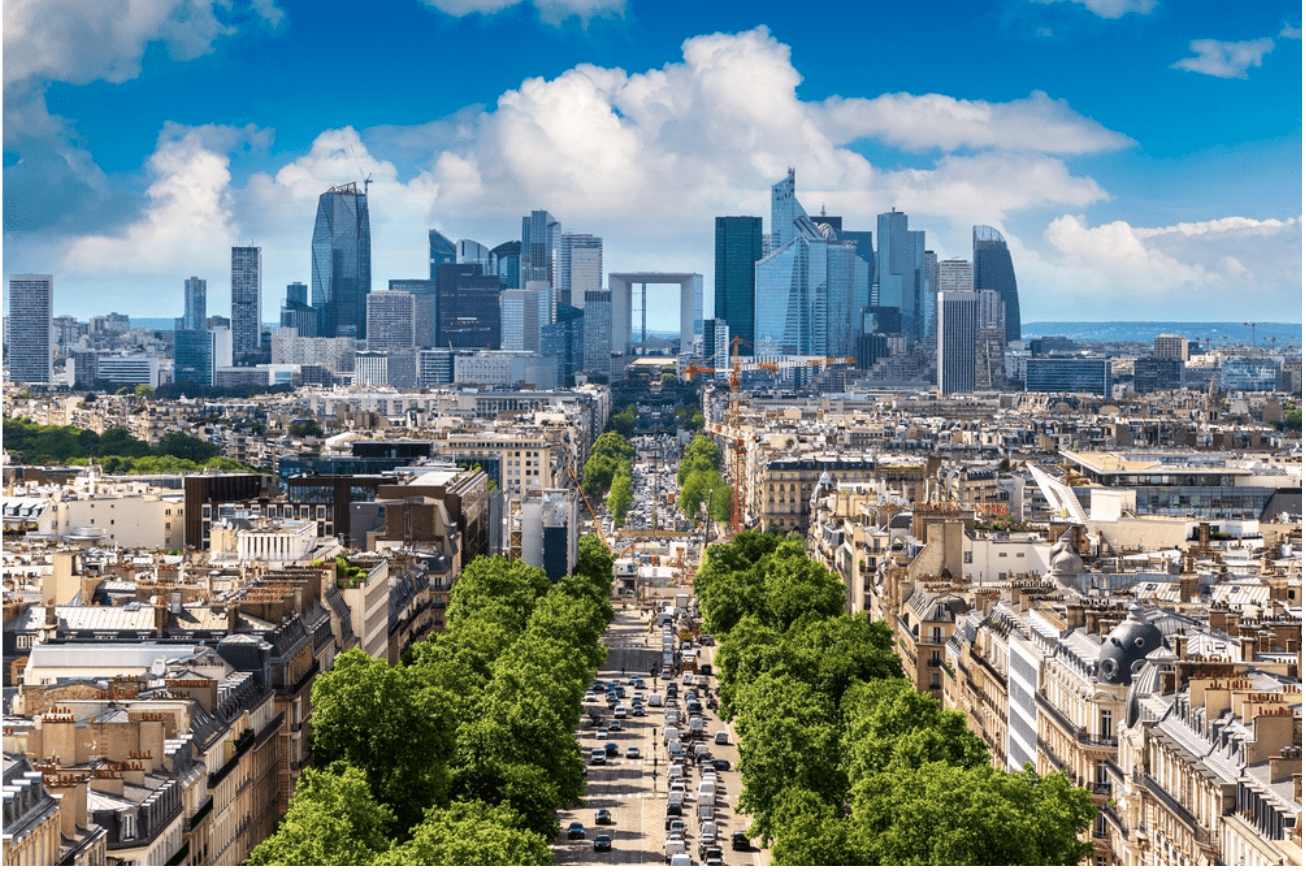
On a recent trip to Paris, I was drawn, as always, to its centuries-old architecture. But the landmark that fascinated me this time around was distinctly modern.
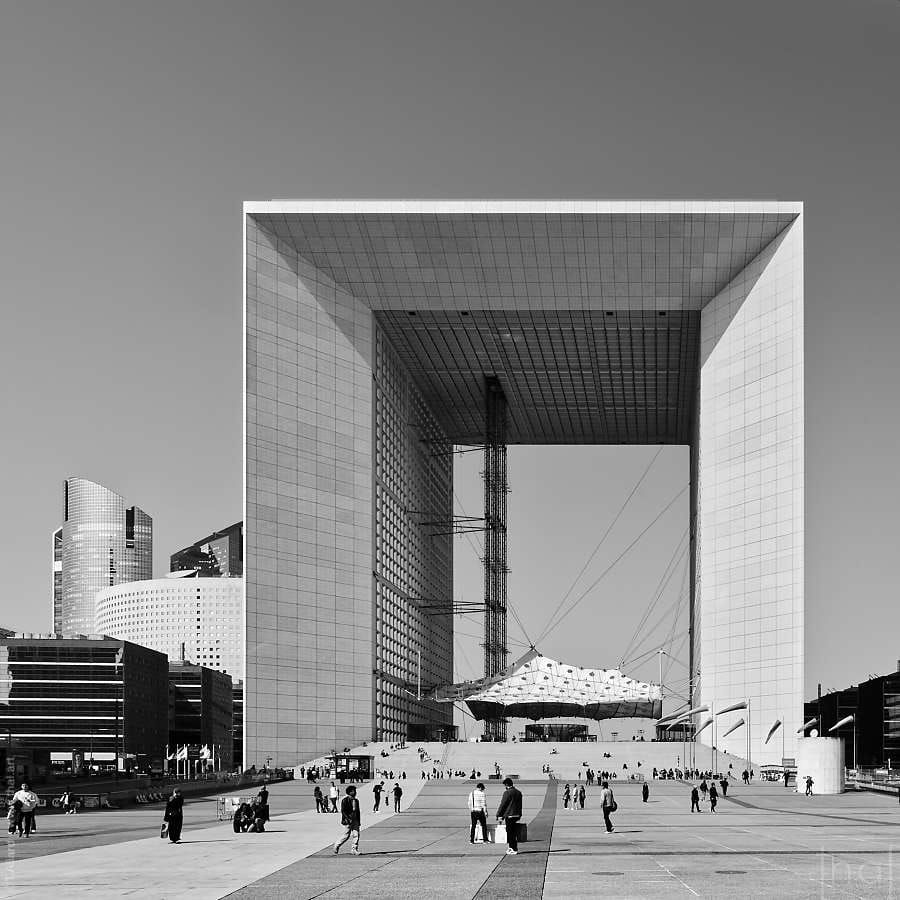
Standing at the western end of the historic axis that stretches from the Louvre through the Champs-Élysées and the Arc de Triomphe, the Grande Arche in La Défense felt like Paris turning a page. While the rest of the city celebrates its history, La Défense embraces the future, and the Grande Arche poses as its defining symbol: a modern counterpart to the Arc de Triomphe, dedicated not to military victory but to humanity, openness, and fraternity.
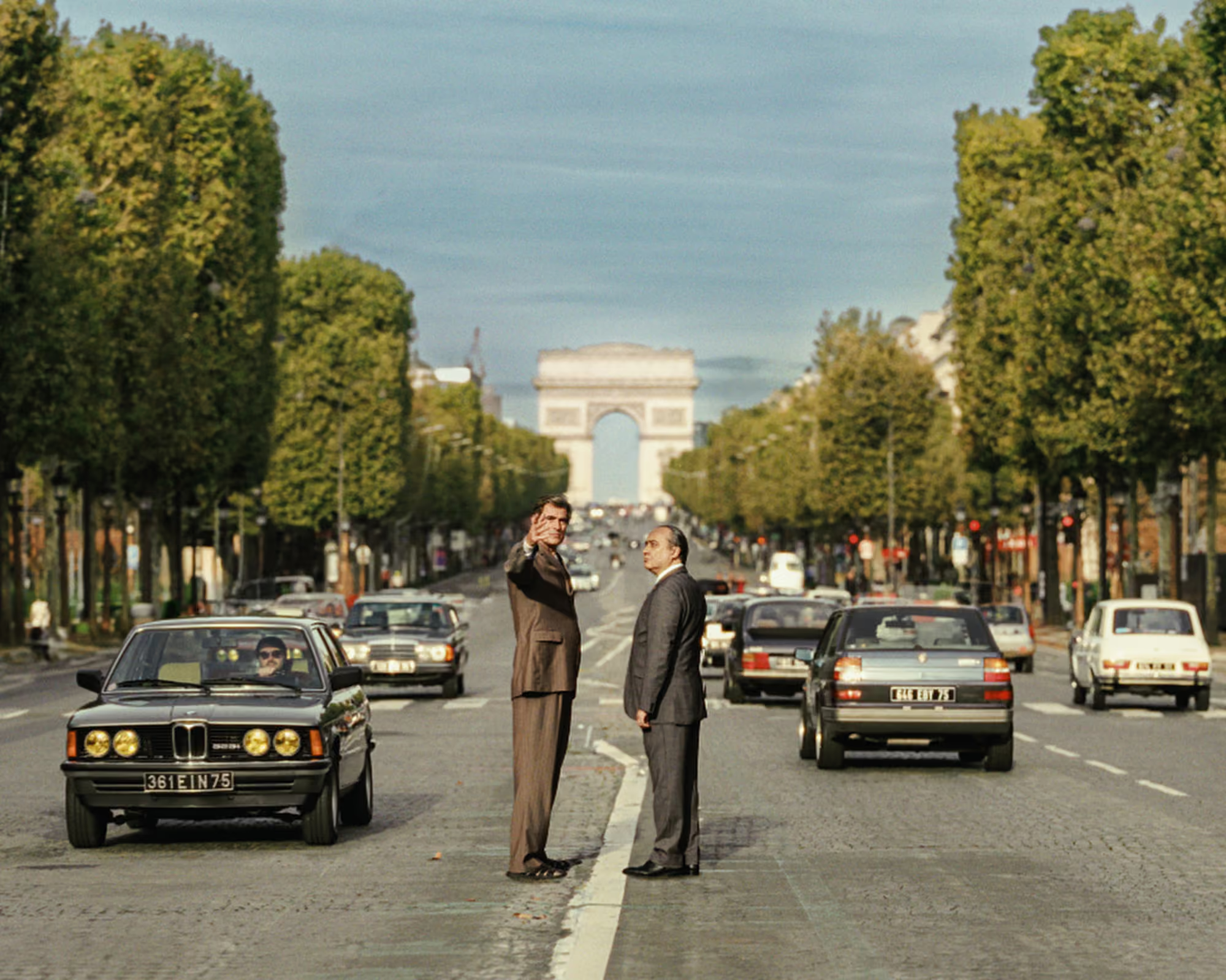
I watched the film The Great Arch on an onward Lufthansa flight, more as an attempt to polish up my rustic French, but adjacently, it told the remarkable story of Danish architect Johan Otto von Spreckelsen and President François Mitterrand's ambitious vision for the project. It turned out to be as much a story about artistic idealism and political ambition as it was about architecture. That an almost unknown Danish architect won an international competition to complete one of Paris's most important urban vistas makes the building all the more intriguing.
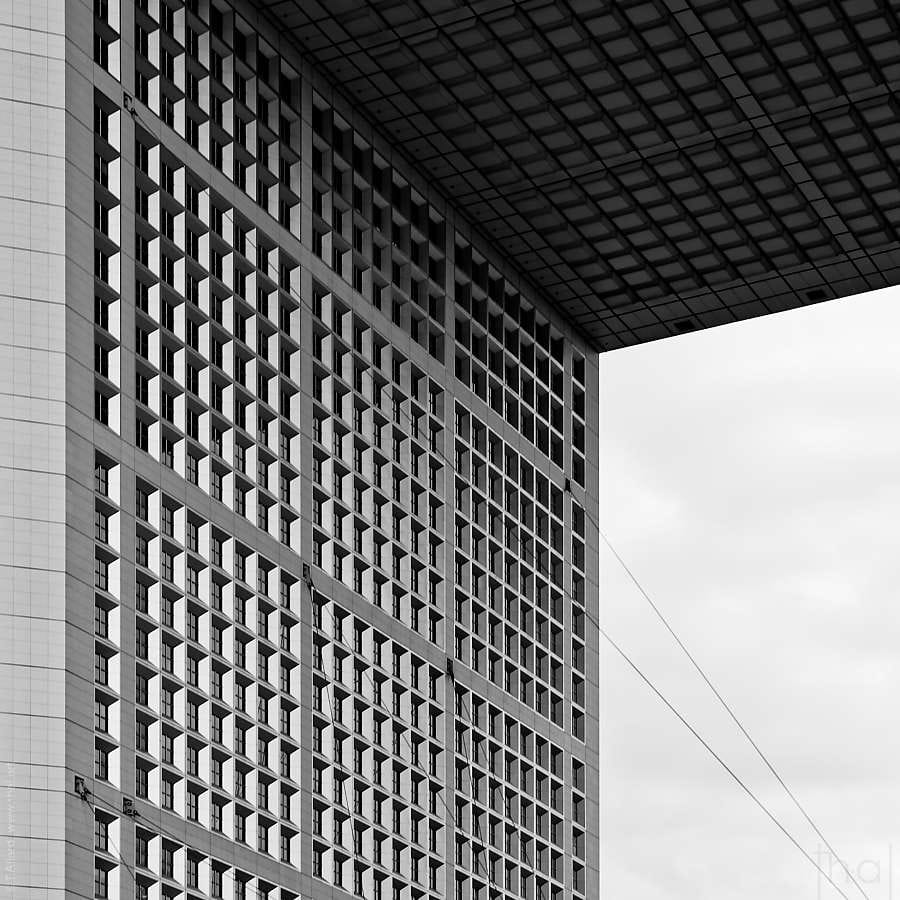
There is something naturally elegant about its simplicity: a monumental open cube that frames the sky rather than filling it.
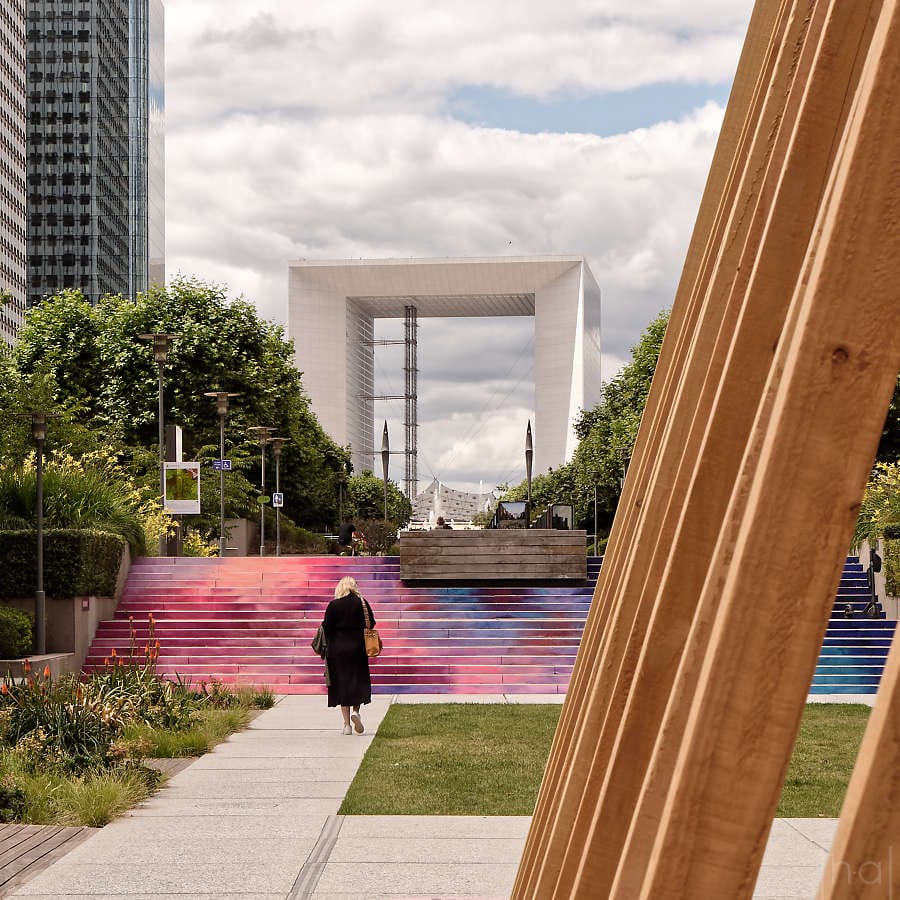
Sometimes the boldest architecture says the most with the fewest lines.
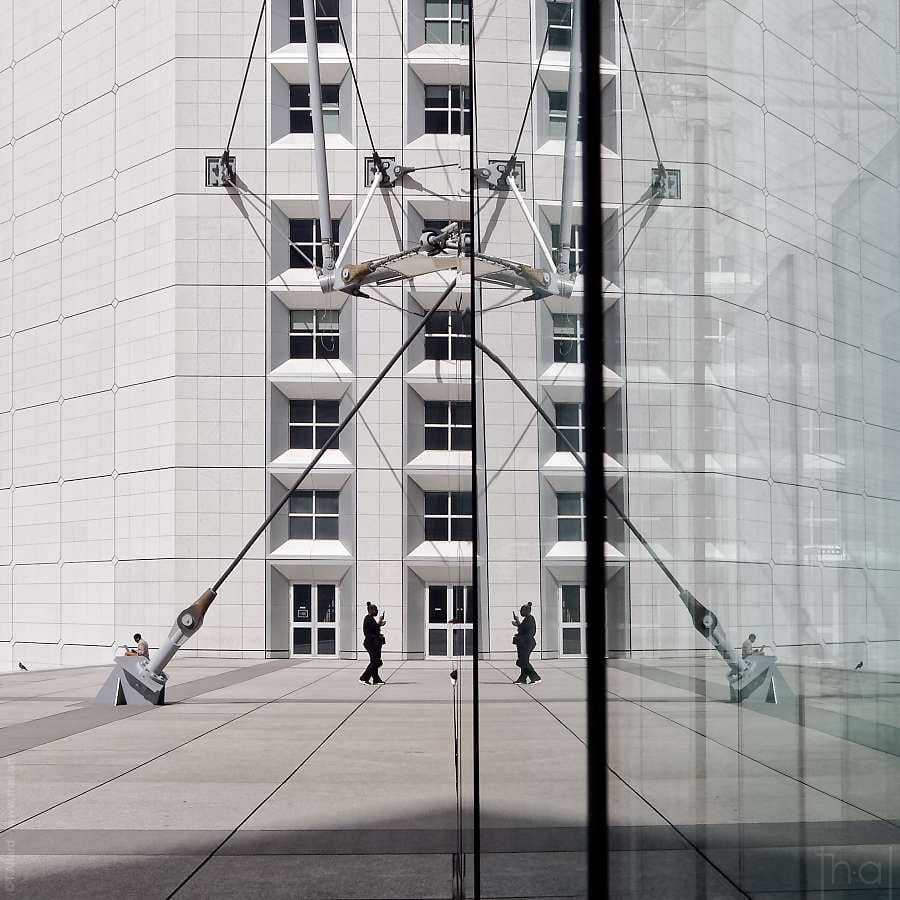
It also made me appreciate that the most vibrant cities don't merely preserve history; they also dare to create new chapters alongside it.